Control Panel Manufacturing in Melbourne
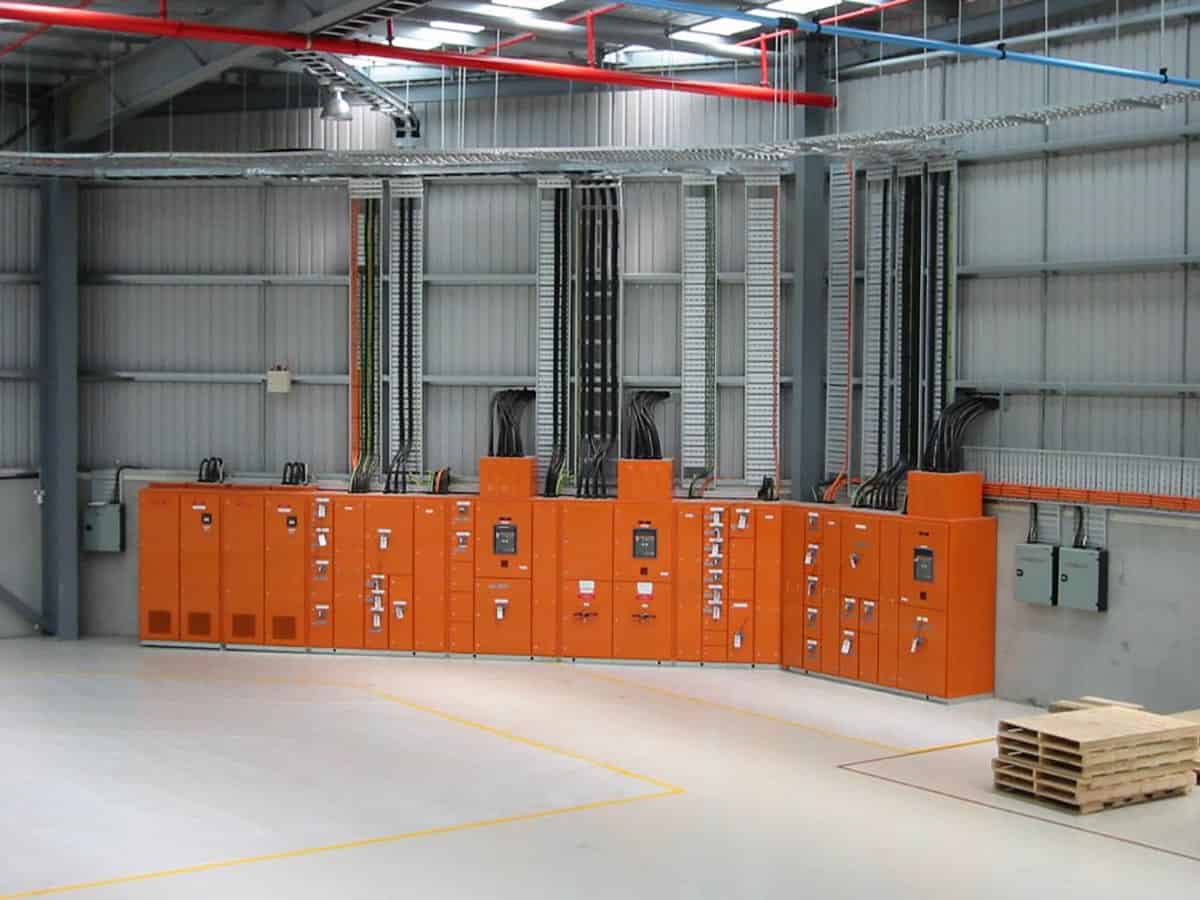
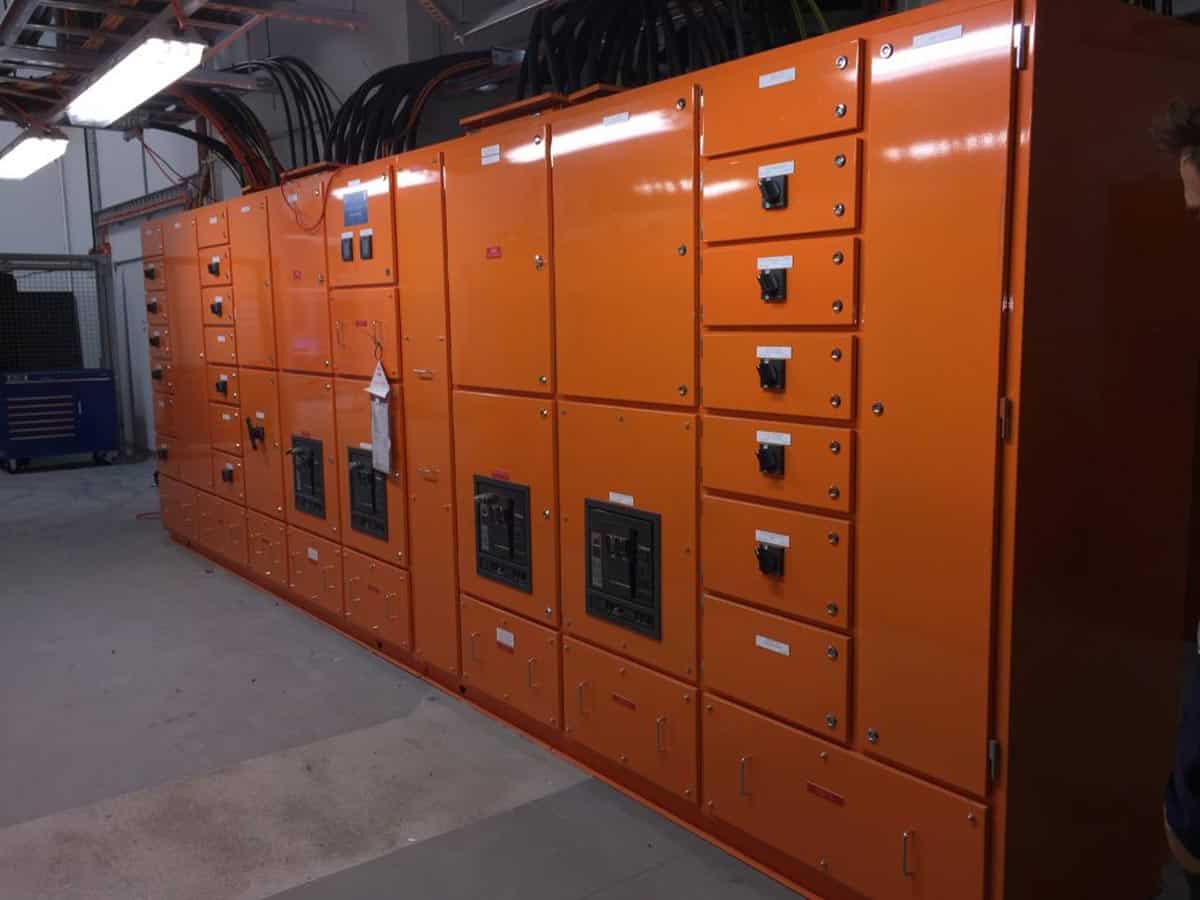
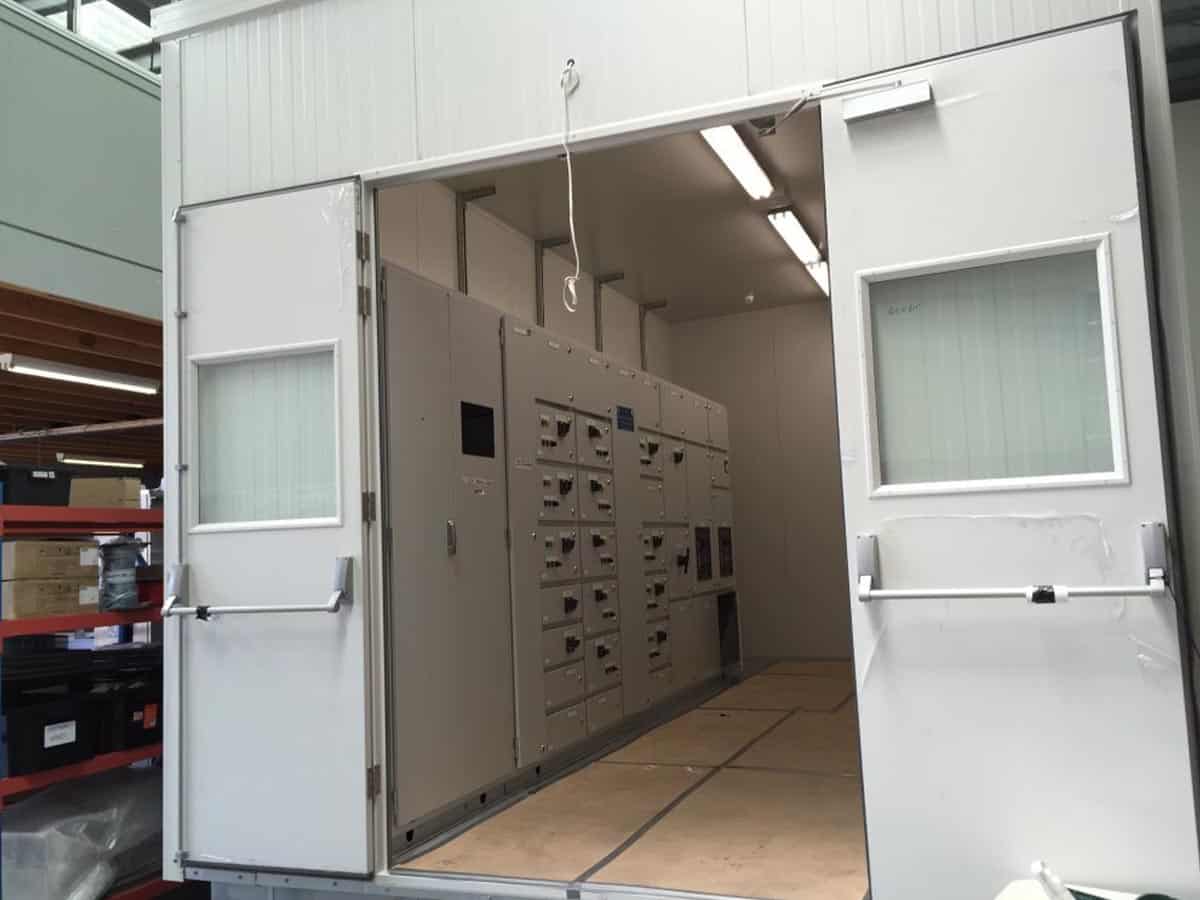
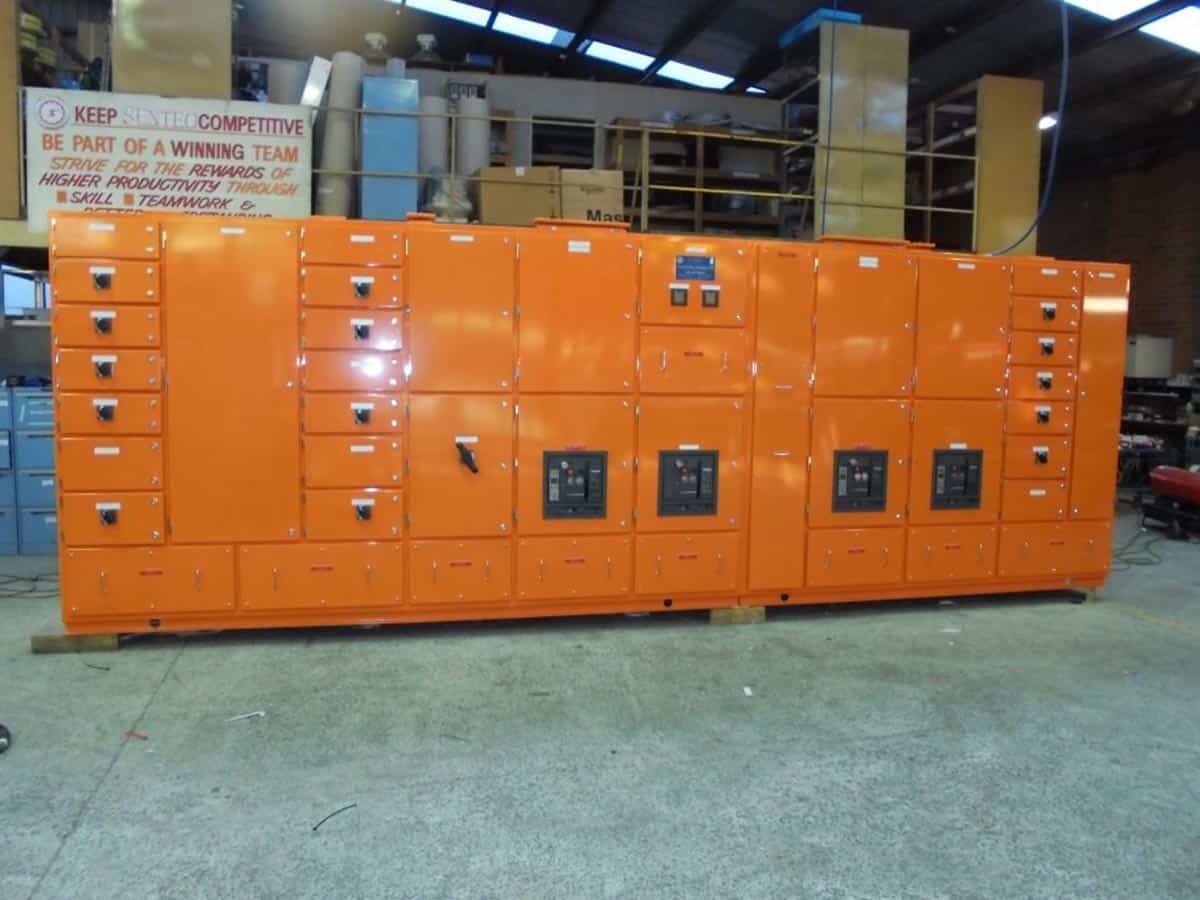
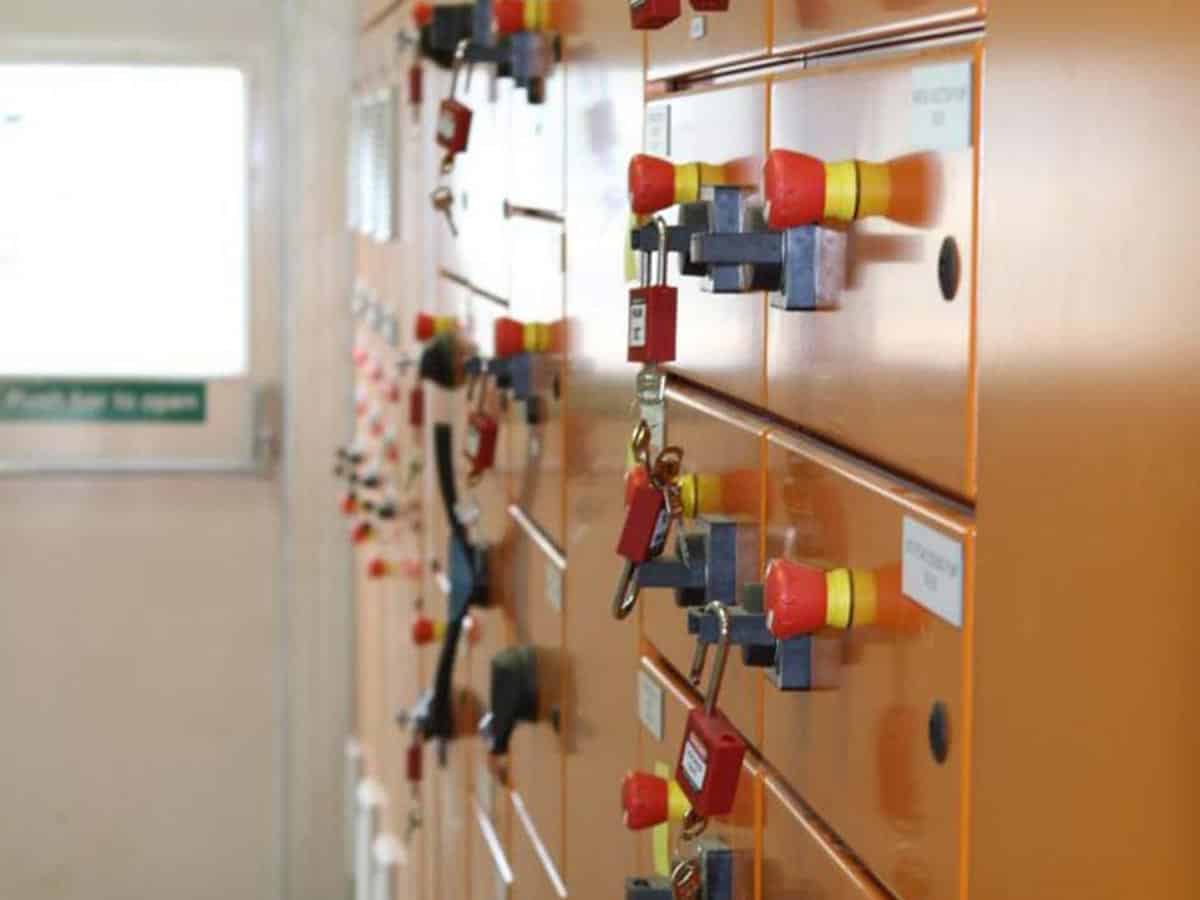
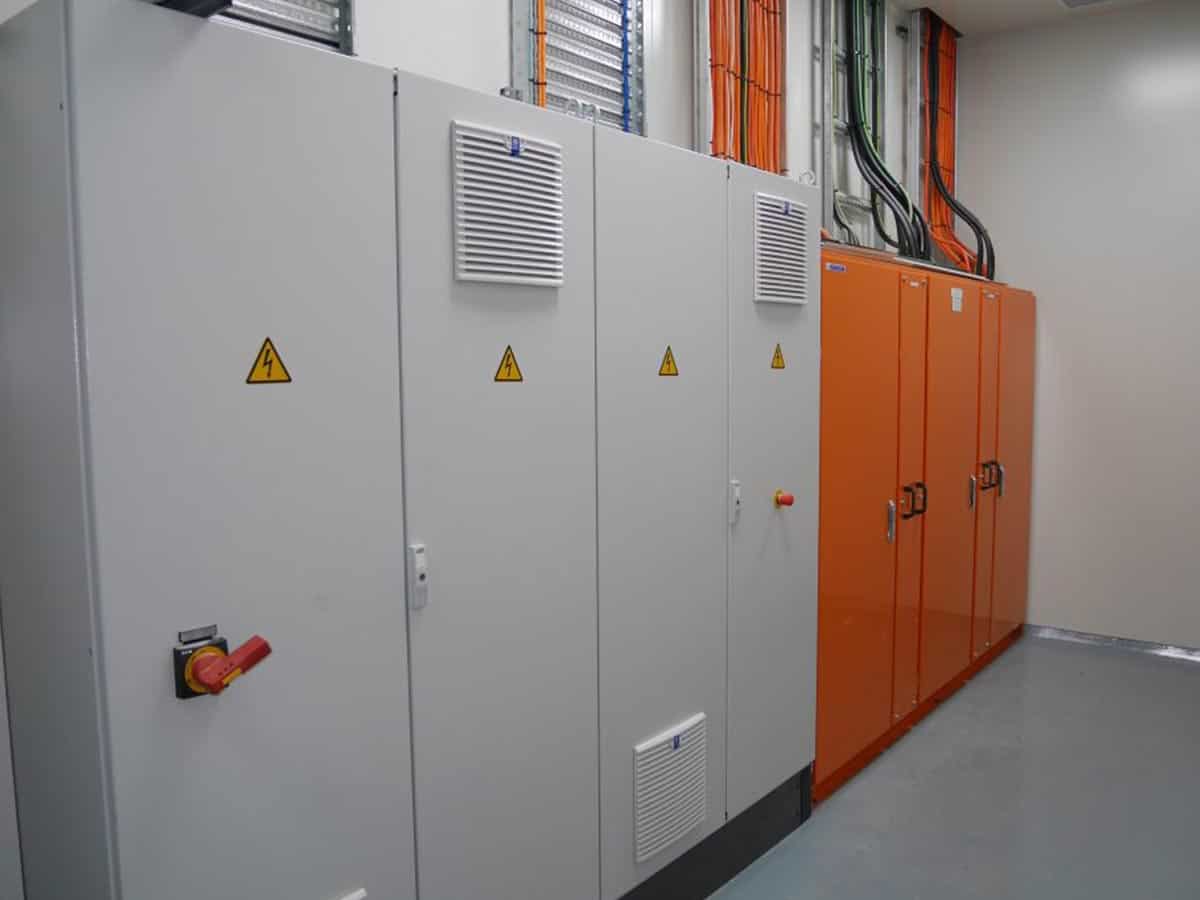
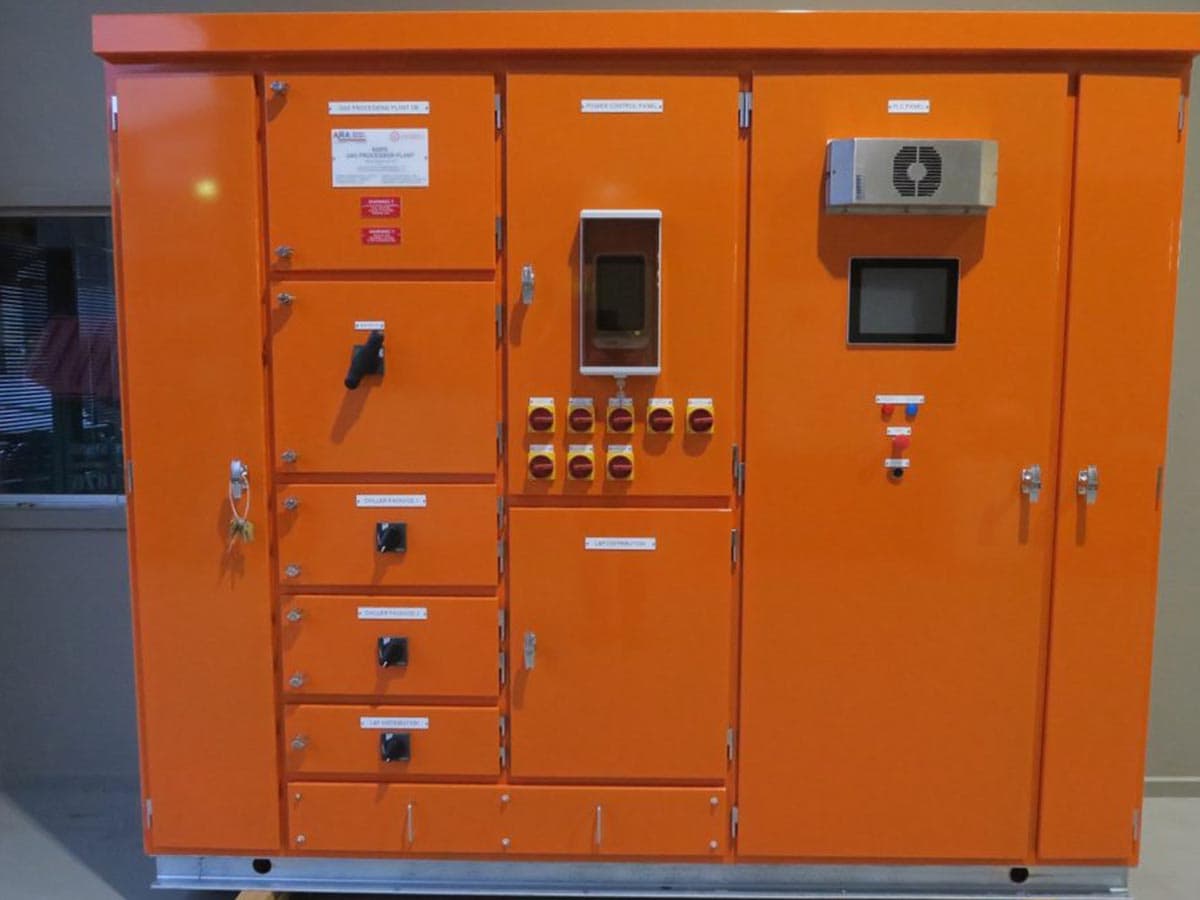
Control panel design and manufacturing at ARA Electrical Services is delivered by an in-house engineering and construction team with experience across industrial processing environments including dairy, oil and gas, food and beverage, and FMCG facilities.
Panels are developed to suit the application, whether for standalone plant, integrated process systems, or interface with MCCs and site-wide control systems. Design considers control philosophy, power distribution, and how the panel interacts with field devices, instrumentation, and upstream electrical infrastructure.
All panels are designed and manufactured in accordance with AS/NZS requirements, ensuring assemblies are suitable for the operating conditions, fault levels, and control requirements of the installation.
From concept designs to on site delivery
Control panel design starts with a structured review of the client’s equipment lists, P&IDs, motor schedules, and load information to confirm the full scope of plant interaction and control requirements.
This involves stepping through each process area with the client to establish how equipment is intended to operate, including sequence of operations, permissives, interlocks, and fault conditions. At this stage, inconsistencies between documentation and actual plant requirements are identified, and adjustments are made to ensure the control system reflects how the plant will run in practice.
Control methodology is defined early, as this drives both field device selection and panel architecture. This includes determining control strategies such as direct-on-line vs controlled starts, VSD integration, process interlocking between plant areas, and how systems respond under abnormal or fault conditions.
I/O is then developed based on actual field devices, including motors, actuators, instrumentation, and safety circuits. Signal types, I/O loading, and addressing structure are defined to suit the PLC architecture, with allowance for spare capacity and future expansion.
Environmental and installation requirements are resolved at this stage, including enclosure ratings, washdown conditions, hazardous area interfaces, and any constraints that impact panel construction or field installation.
Machine safety requirements are reviewed against available risk assessments and site standards. Safety functions are defined in terms of required performance levels, with control system design aligned to AS 4024. This includes determining whether safety functions are implemented through integrated safety PLC architecture or hardwired safety circuits using safety relays and redundant contactor arrangements.
Safety and control systems are developed together, ensuring correct interaction between standard control logic and safety functions, including safe shutdown states, reset conditions, and fault recovery.
PLC platform selection is based on application requirements, including processor capability, I/O density, network structure, and compatibility with existing site systems. Network architecture is developed to support communication between PLCs, remote I/O, HMIs, drives, and supervisory systems, with consideration to segmentation, addressing, and system stability.
Control logic is structured to support reliable operation and fault handling, including sequencing, interlocks, alarm conditions, and state-based control where required. The objective is to ensure the system behaves predictably under both normal operation and fault conditions, and can be maintained and modified without introducing instability.
Designs are then carried through to construction and site delivery, ensuring alignment between functional design, schematics, and physical layout, allowing commissioning to be completed without rework or redesign.
Built In-House for Better Control
ARA Electrical Services manufactures all control panels in-house from our purpose-built facility in Melbourne.
Panels are constructed by experienced industrial electricians with both control wiring capability and site installation experience. This ensures the build reflects how the panel will actually be installed and commissioned, with potential site issues identified early and resolved during construction rather than on site.
Manufacturing is carried out alongside our electrical engineers, automation engineers, and drafting team, allowing direct communication between design and construction. This reduces delays, removes ambiguity between drawings and build, and ensures any design or constructability issues are addressed as they arise.
Issued-for-construction (IFC) drawings are controlled through an internal design-to-build process, ensuring only approved documentation is released to the workshop. Panel construction is supported by inspection and test plans, with ITRs and factory acceptance testing (FAT) completed prior to delivery.
The result is a control panel that matches the design, is ready for installation, and can be commissioned without rework or modification.
Engineered Around Safety and Reliability
Control panel design is developed around the required machine and process safety functions identified through site risk assessments, hazard studies, or machine safety reviews.
Safety-related control functions are engineered in accordance with AS 4024, including definition of the safety function, required risk reduction, and selection of an appropriate control system architecture to achieve the target outcome.
This includes consideration of hazards associated with access, motion, stored energy, process upset, unexpected start-up, and loss of control. From this, required system responses are defined, including stop category, safe state, reset conditions, restart inhibit, and interaction between safety and standard control functions.
Where required, the control system is designed to achieve the specified Performance Level (PL) or Safety Integrity Level (SIL). This includes assessment of safety architecture, diagnostic coverage, common cause failure, device reliability, and fault response behaviour.
Safety implementation is selected based on the application and required level of risk reduction, and may include:
- dual-channel safety circuits
- safety relays with external device monitoring
- redundant contactor arrangements with feedback
- safe torque off (STO) integration to drives
- distributed safety I/O
- integrated safety PLC architecture
Selection of safety architecture is based on system complexity, number of safety zones, diagnostic requirements, and how the plant is expected to operate during production, maintenance, and fault conditions.
Integration between the safety system and standard PLC control is resolved as part of the overall design. This includes definition of safe states, permissives, reset logic, and restart sequences, ensuring predictable system behaviour during faults, trips, and operator interaction.
PLC platform selection is based on system requirements, including processing capability, I/O capacity, communication structure, and compatibility with existing infrastructure. Consideration is given to lifecycle support, spare parts availability, and long-term maintainability, particularly on brownfield installations where legacy systems may be present.
Only supported and serviceable platforms are specified, avoiding integration of obsolete or end-of-life equipment that introduces long-term operational risk.
Communication architecture is developed to suit the installation and may include Ethernet/IP, Profinet, Profibus, Modbus TCP/IP, Modbus RTU, AS-i, IO-Link, and OPC interfaces. Network design is based on device compatibility, required diagnostics, and system topology, including segregation of safety, control, and supervisory networks where required.
I/O design is structured to align with both hardware and software architecture, including signal type segregation, addressing consistency, termination strategy, and allowance for future expansion. Where remote I/O is utilised, network dependency and fault behaviour are considered as part of the system design.
Alarm handling and diagnostics are incorporated into the control system to support commissioning, operation, and fault finding. This includes definition of alarm states, trip conditions, communication faults, and device-level feedback to ensure issues can be identified and resolved efficiently.
The result is a control panel engineered for predictable operation, compliant safety performance, and long-term maintainability within the operating environment.
Design Support That Matches the Application
Control panel design is developed to suit the specific requirements of the application, rather than applying a standard layout across different types of plant.
This includes consideration of how the panel interfaces with process equipment, MCCs, field instrumentation, and existing control systems. Requirements such as I/O density, control philosophy, network structure, and integration with third-party equipment are resolved based on the installation rather than assumed.
Design approach will vary depending on the type of application. This may include standalone control panels for individual assets, distributed control systems with remote I/O, or multi-panel systems supporting larger process areas. Each requires a different approach to architecture, communication, and panel configuration.
Where existing systems are involved, integration is assessed against current infrastructure, including PLC platforms, communication protocols, addressing structures, and available capacity. This ensures new panels can be introduced without impacting existing operation or requiring unnecessary reconfiguration.
Allowance is made for staged upgrades and plant expansion, particularly in live or brownfield environments where panels must be installed and commissioned without full system shutdown.
The result is a control panel design that aligns with the application, integrates with the existing system, and remains workable as plant requirements change.
Manufacturing and Contracting Services
In addition to control panel design and construction, ARA Electrical Services provides contracting support across a range of panel manufacturing and upgrade requirements throughout Melbourne.
This includes new panel manufacture, fully customised control panel construction, and modification or retrofit of existing panels where full replacement is not required. Scope is developed based on the condition of the existing installation, available capacity, and the operational requirements of the plant.
Contracting capability covers:
- Standalone control panels and small plant systems
- Multi-panel assemblies and high I/O process systems
- Retrofit and reconfiguration of existing control panels
- Integration with existing MCCs, field equipment, and control systems
For existing installations, retrofit is often used to address limitations in control capability, I/O capacity, or obsolete equipment. This may include PLC upgrades, additional I/O, reconfiguration of control circuits, or replacement of unsupported components while retaining the existing enclosure and infrastructure where suitable.
Where replacement is required, new panels are designed to suit the current and future requirements of the installation, ensuring alignment with plant operation, control system architecture, and maintainability.
The approach is based on selecting the most practical solution for the site, taking into account installation constraints, available downtime, and long-term supportability of the system.
Why ARA Electrical Services
Clients choose ARA Electrical Services because they need more than just a fabricated enclosure. They need a team that can understand the operating environment, translate site requirements into a workable design, and deliver a finished panel that is safe, serviceable, and ready for use.
We focus on practical outcomes. That means clear layouts, sensible engineering, quality workmanship, and support from the first discussion through to completion. Whether your project begins with a concept sketch or a full design package, we can help turn it into a control panel that supports reliable site performance.
Ready to Discuss Your Control Panel Project?
If a control panel is required for a new installation, upgrade, or retrofit, requirements can be reviewed against the existing system, plant operation, and available infrastructure.
ARA Electrical Services provides design, manufacturing, and installation support to deliver control panels aligned with site requirements and long-term operation.
Get in touch with our team to discuss your next control panel manufacturing project.